Harbour Play Room
Guides
Common myths, without the folklore
Myth: a miss means a hit is due
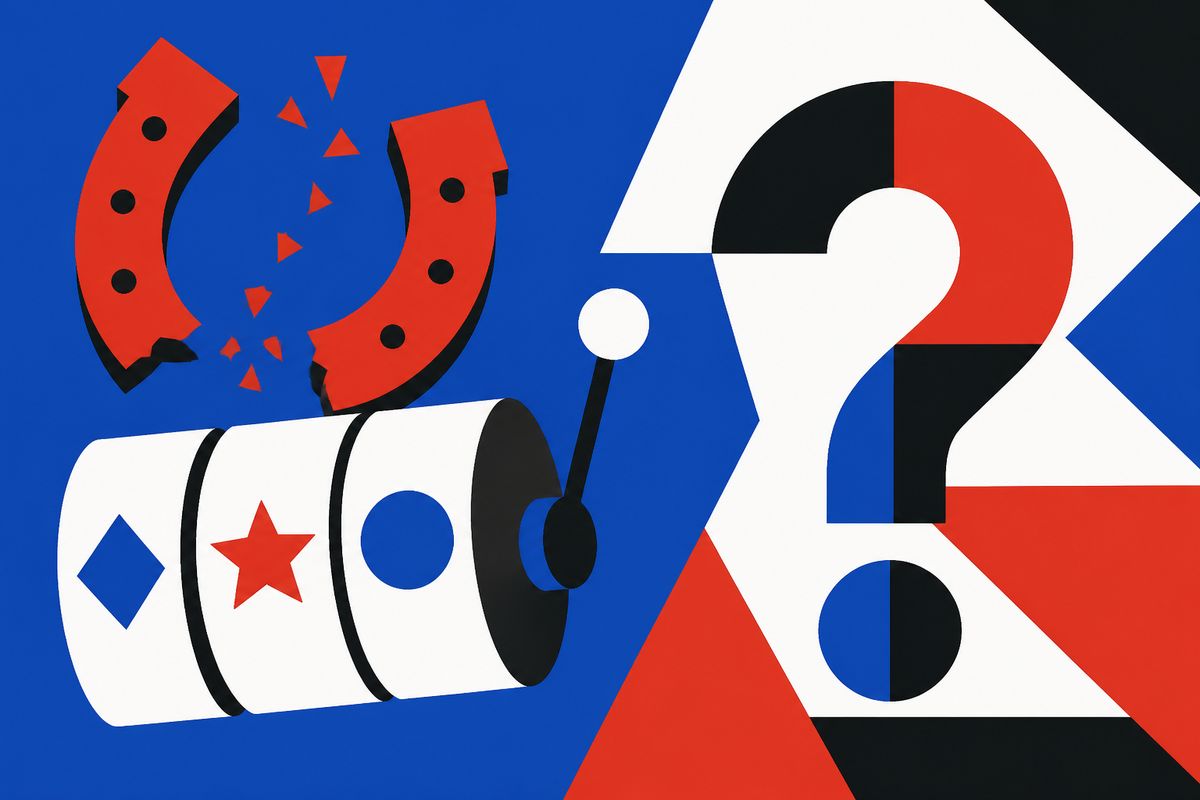
In a fair shuffle or a fresh random draw, the chance of the next result does not rise because the last ones failed. That instinct is the gambler’s fallacy. On Chrome Fruit, a Seven does not “owe” you a Cherry. On Midway Sweep, a mine last round does not thin the next board — a new deal places mines again.
Myth: a machine can be hot or cold
Physical slot floors collect stories about machines that “pay”. In software with an independent generator, there is no stored heat. Harbour Play Room does not bias a round to feel luckier after a miss, and it does not stage near-misses. If two runes sat next to each other in Fjell Pairs, that was the shuffle, not a tease.
Myth: a betting system can cancel the hold
Martingale (double after a loss) needs an unlimited bankroll and no table limit. Even then, a long enough losing run wipes the gain from the wins. On a mines grid the published multiple already includes a 3% hold; raising the stake after a mine does not change the maths of the next independent board.
Myth: doing well at social games means you would do well for money
These tables are short, have a reset button, and cost nothing. Real-money games add loss, time pressure and different rules. Success here is not evidence of skill that transfers to gambling, and this site is not a trainer.
What independence looks like here
Rounds use the browser’s cryptographic random source when it exists. A new Fjell shuffle does not remember the last. A Hi-Lo fruit is drawn from seven ranks each time, with replacement. Knowing the last card tells you only the chances for the next call — which the screen already prints — not a hidden queue.